In 2026, 5 best AI tools for generating images have made it so much easier for regular folks like us to create pictures that actually feel real and useful. Whether you’re putting together a blog post, designing something for your small apartment, or just playing around with ideas after work, these tools fit right into everyday life.
I have been messing with them a lot lately, and the main thing is this: which AI is best for generating image for free often depends on what you need right now. Some handle realistic photos beautifully. Others shine at image editing. And a few double as helpers for writing and content creation too. Let’s chat about the five that stand out without the hype. Just honest stuff that works in real situations.
Why These AI Image Generators Matter in Daily Life
Picture this. You’re sitting in your living room in Kathmandu, maybe on a quiet Sunday like today, and you want to visualize how a new plant shelf might look against your wall. Or you need a quick header image for a post about local coffee spots. These best AI for generating image turn simple words into visuals that feel grounded, like something you could actually snap with your phone. No need for fancy skills. Just describe what you see in your head.
They’ve come a long way. Some give you solid free options, others let you tweak existing photos. And yes, a couple even help with captions or blog ideas along the way. I tried them on everyday prompts — a cozy bedroom corner, a street scene in the rain, a plate of momos with warm lighting. The results? Often close enough to spark real inspiration.
1. ChatGPT (with GPT Image 1.5) – Great All-Rounder for Beginners
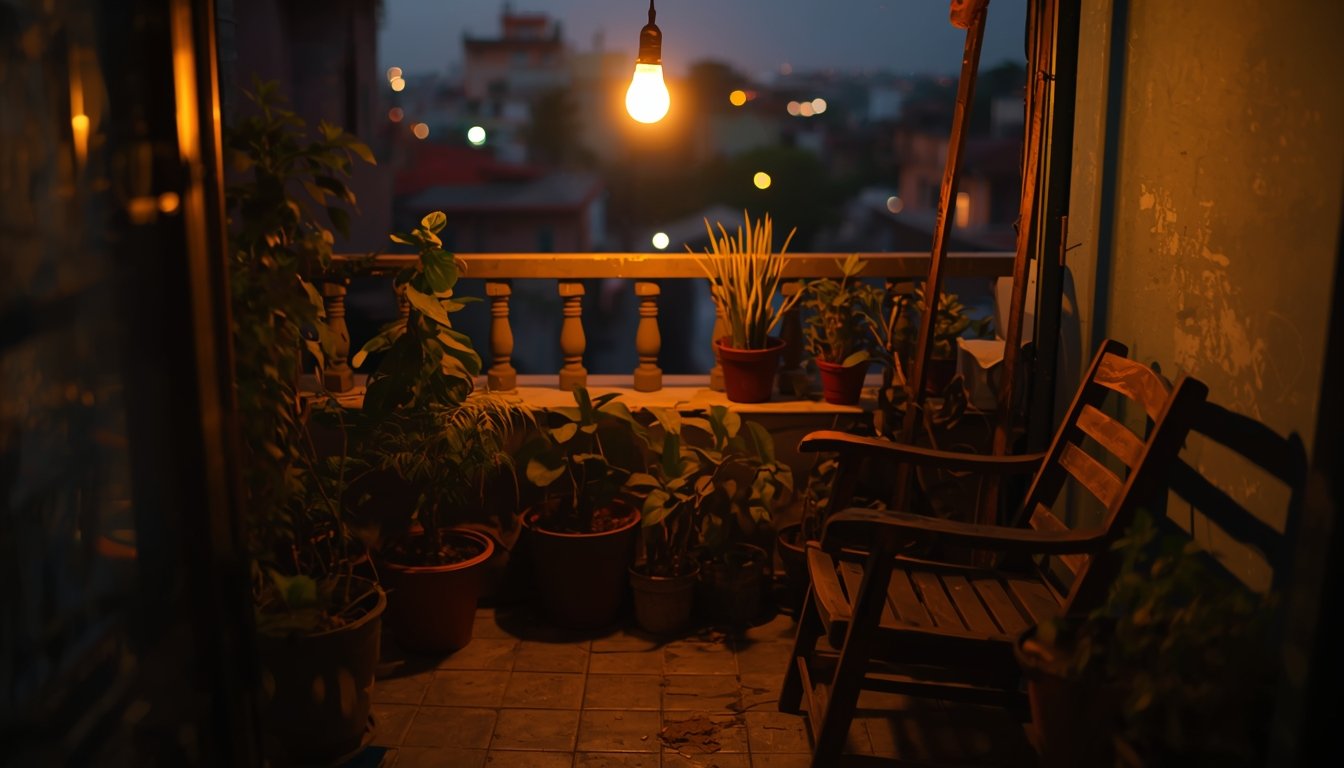
I started with ChatGPT because it feels like chatting with a helpful buddy who also draws. You type a description, and it creates the image right there in the conversation. What I like most? You can keep talking to it. “Make the lighting softer” or “add a cat in the corner.” It handles best AI for generating image and editing conversations naturally.
Last week I asked it for a realistic photo of a small balcony garden at dusk. The first version had nice warm tones on the pots and some city lights in the background. Then I said, make the plants look a bit overgrown like mine actually are. Boom — second image felt more lived-in. Free users get a few tries per day, which is enough for casual stuff. For more, the paid plan opens things up. It’s handy when you’re also writing content, since the same chat can brainstorm text ideas too.
Not every output is perfect. Hands sometimes look odd. But for quick, realistic everyday scenes? It does the job without fuss.
2. Google Gemini (Nano Banana) – Strong Pick for Realistic Photos
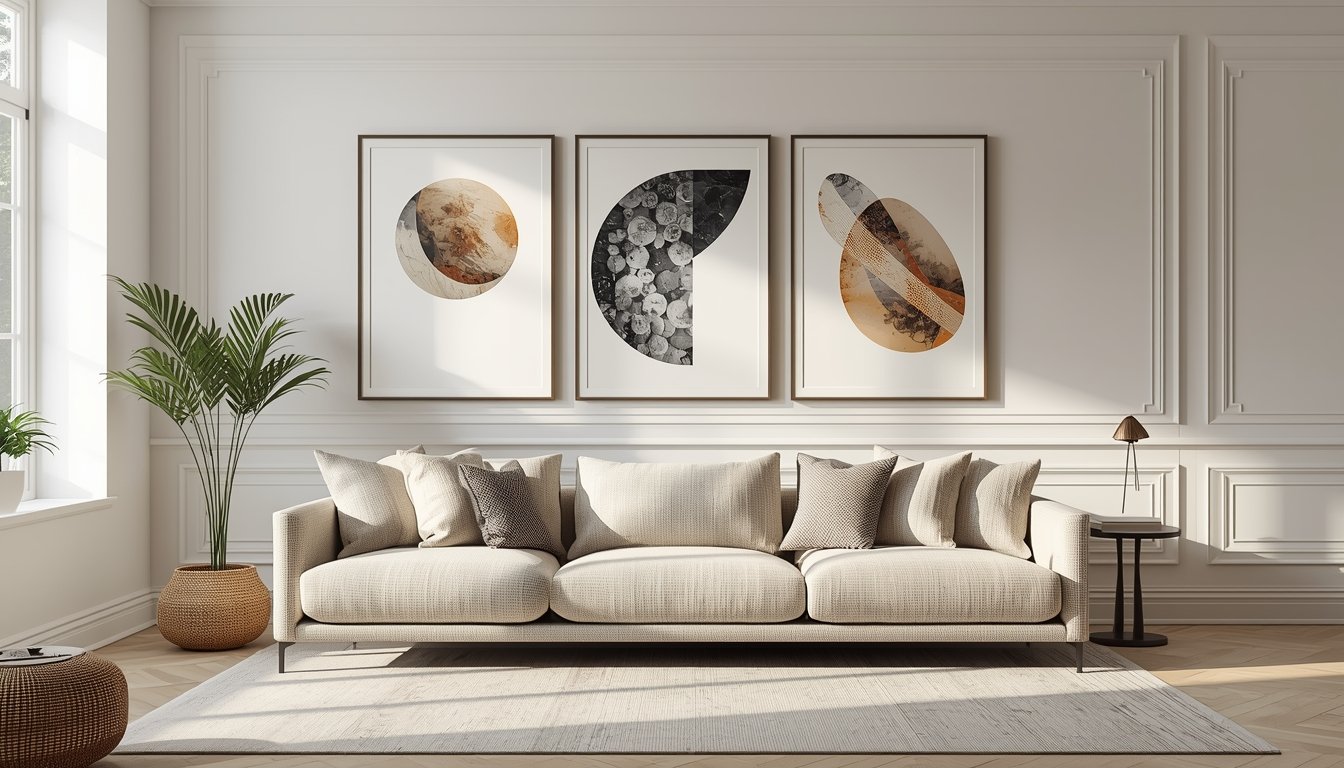
If you already use Google stuff, Gemini with its Nano Banana model feels seamless. Many testers call it one of the best AI for generating image for realistic photos right now, especially on the free tier. You describe a scene, and it often nails the lighting and small details that make a picture believable.
Imagine wanting an image of your workspace with morning light coming through the window. I tried something similar — a wooden desk with notebooks, a half-drunk cup of tea, and papers scattered like after a busy morning. The output showed soft shadows and textures on the wood that made me think, yeah, that could be my table. Free daily limits are decent, and paid gives you more plus faster results.
It’s good when you need photorealism without over-the-top drama. One thing though — sometimes it plays it a bit safe with compositions. Still, for which AI is best for generating image for free, this one sits high on my list for practical use.
3. Midjourney – Best for Artistic Yet Grounded Images
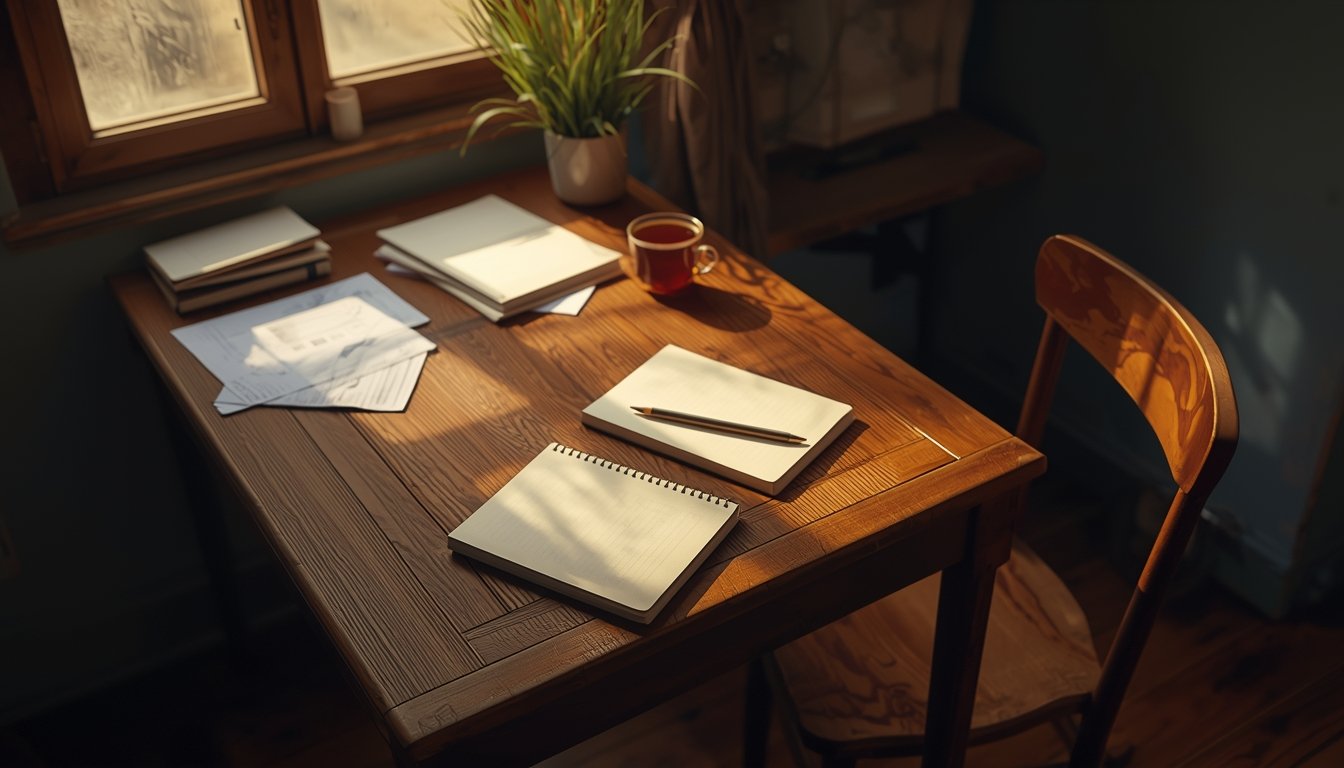
Midjourney lives mostly on Discord, which felt weird at first. But once you get the hang of typing prompts with a few extra words like “–ar 16:9” for aspect ratio, it delivers images with real character. It’s often praised among best AI tools for generating image for style that still feels approachable, not cartoonish.
I prompted it for a narrow alley in an old neighborhood during light rain — reflections on the ground, a bicycle leaning against a wall, warm light from a nearby shop. The result had that moody, lived-in feel I was after. Colors weren’t too saturated. Textures looked touchable. Great if you want something artistic for a blog header or social post.
It’s mostly paid now for generating image, but the quality makes it worth it for projects you care about. Just remember, community galleries can give you prompt ideas when you’re stuck. Mix it with others for best results.
4. Adobe Firefly – Excellent for Image Editing and Integration
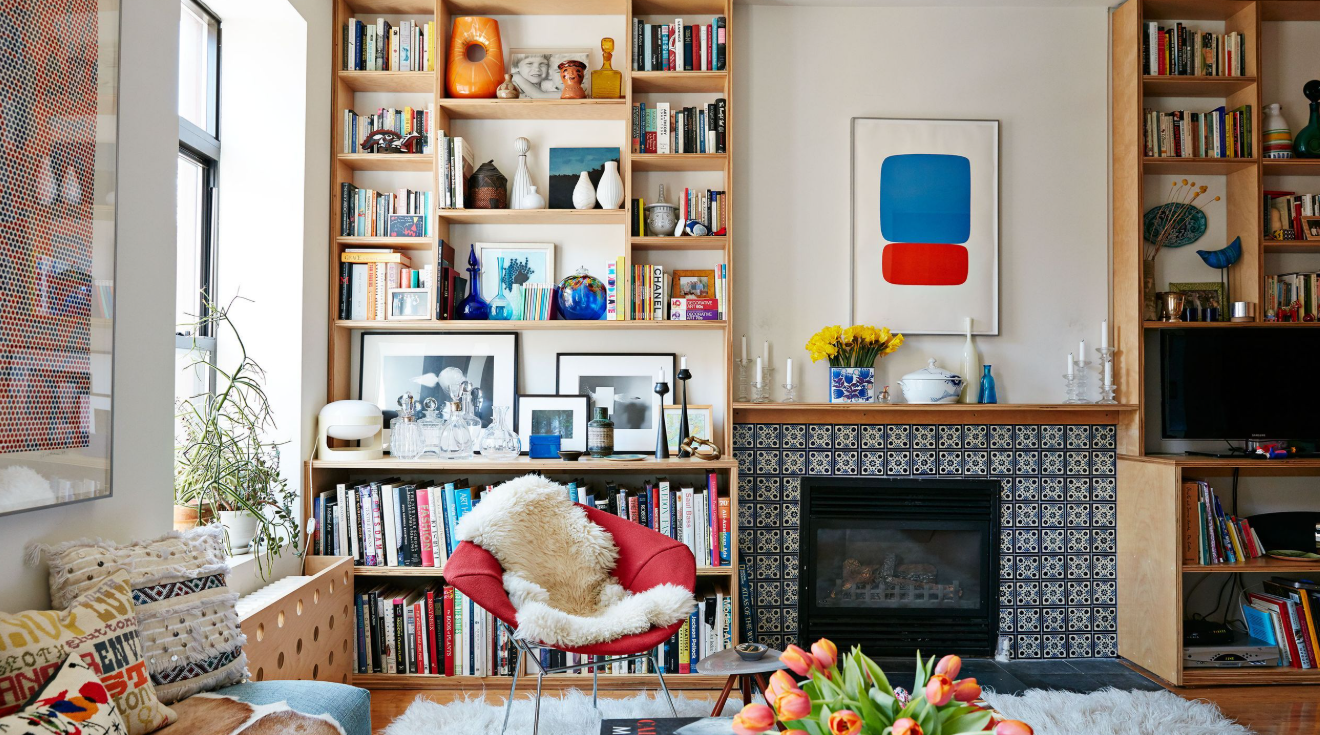
When you already have a photo you like but want to change parts of it, best AI for image editing and generating image tools like Adobe Firefly come in handy. It sits inside Photoshop or works on its own, letting you add, remove, or expand elements while keeping the original style.
I took an ordinary snapshot of my room and asked it to generate a bigger window with plants outside, plus softer curtains. The edited version blended so well I almost believed I’d redecorated. Firefly is careful about copyright too, which matters if you’re creating for work or sharing publicly.
It shines when combining generated parts with real photos. Not the cheapest, but if you’re serious about clean, professional-looking edits, it feels reliable. Pair it with your own images and watch small spaces transform on screen before you move any furniture.
5. Meta AI – Solid Free Option with Everyday Versatility
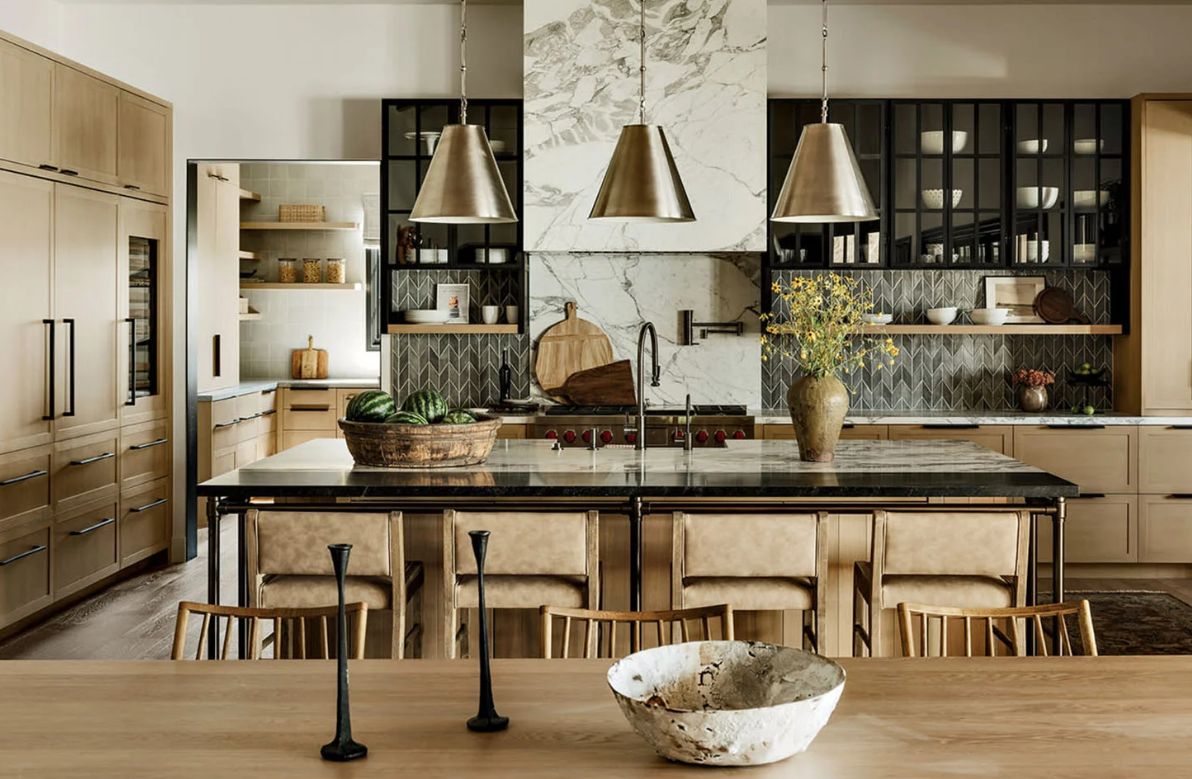
Meta AI (often through WhatsApp or Instagram) surprised me with how unlimited the free generations feel for casual use for generating image. It handles simple realistic prompts well and sometimes gives that extra warmth in lighting.
Try describing your ideal reading nook — a comfortable chair, stack of books, gentle lamp glow. One version I got had nice depth, with shadows that made the corner inviting rather than flat. It’s quick and doesn’t require learning a new app if you’re already on Meta platforms.
For best AI tools for generating image, it can also suggest captions or story ideas around the image. Not always the most detailed, but perfect when you want something fast without opening another tab. Great for testing ideas before committing time elsewhere.
A Few Tips That Actually Help
Don’t overthink the perfect prompt at first. Start simple: subject, setting, time of day, mood. Then refine. Upload reference photos where allowed — it changes everything for consistency in the fields of generating image. And try the same idea across two tools. You’ll quickly see which one “gets” your style.
Also, think about what you’ll use the image for. Personal project? Free tiers work fine. Client work? Check licensing. Small tweaks like adding “photorealistic, natural lighting, everyday scene” often ground the results in real life.
These 5 best AI tools for generating image in 2026 aren’t magic. They’re just better helpers than before. Some days one feels easier, other days another clicks. That’s okay. The point is they let you visualize ideas without needing expensive gear or years of training.
So next time you’re thinking about rearranging that small corner of your home, or need a visual for a quick blog note, give one a try. Describe what you see when you close your eyes — the colors, the light, the little imperfections that make it yours. Play around. Save the ones that feel right.
Pingback: hello world